Preventing High Blood Pressure in Pakistan 2025
Preventing High Blood Pressure in Pakistan 2025: A Simple Guide to Staying Heart-Healthy
Have you ever stopped to think about how something as common as high blood pressure could quietly sneak up on you? In Pakistan, where busy lives, tasty traditional foods, and sometimes stressful routines are the norm, preventing high blood pressure in Pakistan 2025 is more important than ever. According to the World Health Organization (WHO), high blood pressure affects millions of people here, increasing the risk of heart disease, strokes, and other health issues. But don’t worry—this isn’t a lecture; it’s a friendly, step-by-step guide to help you take control. We’ll cover practical tips for blood pressure prevention that fit right into your everyday life, whether you’re in Karachi, Lahore, or a quieter village. By the end, you’ll feel empowered to make simple changes that could add years to your life.
Let’s dive in. High blood pressure, or hypertension, happens when the force of blood against your artery walls is too high, often without any obvious symptoms. In Pakistan, factors like unhealthy diets, lack of physical activity, and even pollution play a big role. The good news? Blood pressure prevention is mostly about smart, sustainable habits. We’ll break this down step by step, so you can ease into it at your own pace.
Understanding High Blood Pressure: Why It Matters in Pakistan
Before we jump into the steps, let’s get a quick handle on what we’re dealing with. High blood pressure isn’t just a “rich country” problem—it’s a growing concern in Pakistan too. The Pakistan Hypertension League reports that about one in three adults here has high blood pressure, often linked to lifestyle choices and genetics. Think about it: our love for spicy biryani, late-night chai sessions, and long hours at work can all add up.
Preventing high blood pressure in Pakistan 2025 means addressing these local challenges head-on. For instance, urban areas like Islamabad face more pollution and stress, while rural regions might deal with limited access to fresh produce. The key is to focus on blood pressure prevention strategies that are realistic and culturally relevant. In this section, we’ll lay the groundwork, and then we’ll move into actionable steps.
Step 1: Start with a Heart-Healthy Diet
One of the easiest ways to tackle blood pressure prevention is through what you eat. In Pakistan, our meals are full of flavor, but sometimes they pack in too much salt, oil, and processed foods. Let’s keep it simple—swapping a few habits can make a big difference.
First off, aim to reduce salt intake. The WHO recommends no more than 5 grams of salt per day, but many Pakistanis consume double that through things like achaar (pickles) and overly salted snacks. Try this: when cooking your favorite daal or karahi, use herbs like coriander or garlic for flavor instead of extra salt. Over time, your taste buds will adjust.
Here’s a quick list of dietary swaps to try:
- Swap white rice for brown rice or whole grains: These are richer in fiber, which helps lower blood pressure. In Pakistan, you can find brown rice at local markets or even mix it into your biryani for a healthier twist.
- Load up on fruits and veggies: Think fresh mangoes, guavas, or spinach from your local sabzi mandi. Aim for at least five servings a day—they’re packed with potassium, which balances sodium levels.
- Go easy on fried foods: Instead of frying your pakoras, try baking or grilling them. It’s a small change that can cut down on unhealthy fats.
Remember, preventing high blood pressure in Pakistan 2025 isn’t about giving up your cultural favorites—it’s about moderation. For example, if you’re at a family gathering, enjoy that halwa but pair it with a walk afterward.
Step 2: Get Moving with Regular Exercise
You don’t have to become a gym rat to prevent high blood pressure—especially in a country where cricket matches and evening strolls are already part of the culture. The key is consistency. The American Heart Association suggests at least 150 minutes of moderate exercise per week, which is totally doable.
Start small. If you’re in a city like Peshawar, take advantage of parks for a brisk walk or jog. In rural areas, farming or household chores can count as activity. Here’s a step-by-step plan:
- Week 1-2: Begin with 10-15 minutes of walking daily. Make it fun—listen to your favorite Pakistani music or podcasts.
- Week 3-4: Add strength training, like bodyweight squats or lifting light weights. This builds muscle, which helps with blood pressure prevention.
- Incorporate local activities: Join a community cricket game or try yoga, which is gaining popularity in Pakistan for stress relief.
Exercise not only lowers blood pressure but also boosts your mood. Imagine feeling more energetic during Eid celebrations— that’s the kind of win we’re talking about!
Step 3: Manage Stress the Pakistani Way
Stress is a silent killer, and in Pakistan, with traffic jams in Karachi and work pressures in Lahore, it’s everywhere. But blood pressure prevention starts with simple stress-busters that fit our lifestyle.
First, recognize your triggers. Is it family arguments or long commutes? Once you know, try these steps:
- Practice deep breathing or meditation: Apps like those from the Heart Foundation can guide you, but even reciting verses from the Quran or doing dhikr can help.
- Prioritize sleep: Adults need 7-9 hours nightly. In Pakistan, where late-night TV is common, set a bedtime routine—maybe a cup of herbal tea instead of caffeine.
- Connect with loved ones: Social support is huge here. Chat with friends over tea or take a family outing to reduce stress.
By weaving these into your routine, you’re not just preventing high blood pressure—you’re improving your overall well-being.
Step 4: Monitor Your Blood Pressure Regularly
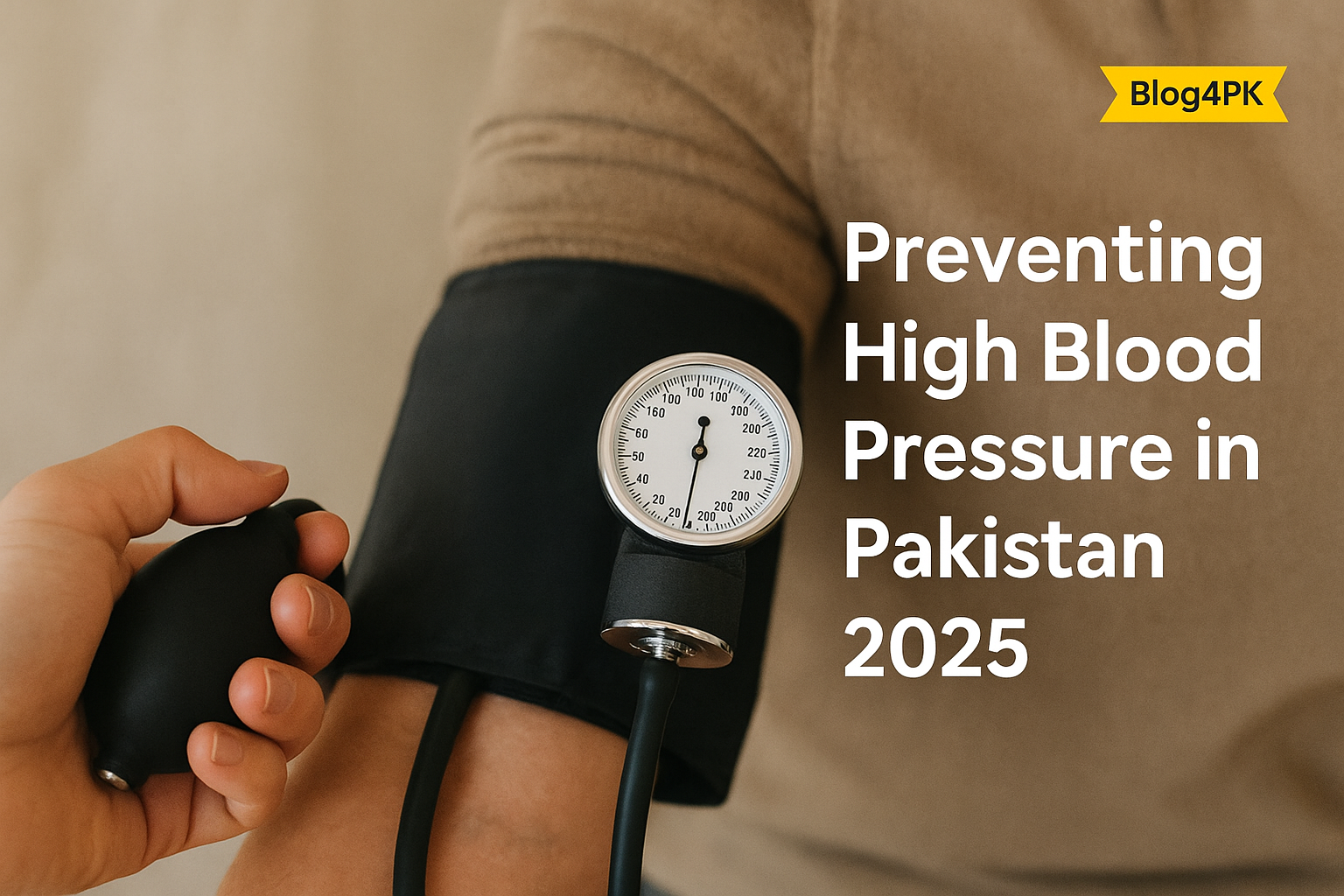
You can’t fix what you don’t measure, right? Regular check-ups are crucial for blood pressure prevention in Pakistan 2025. The good news is that blood pressure monitors are more affordable and available at pharmacies across the country.
Here’s how to make it a habit:
- Get checked annually: Visit a local clinic or use free health camps organized by organizations like the Aga Khan Foundation.
- At-home monitoring: Buy a reliable device and track your numbers weekly. If it’s high, consult a doctor—early intervention is key.
- Track patterns: Keep a journal. For example, note if your blood pressure spikes after a salty meal, and adjust accordingly.
This step empowers you to catch issues before they escalate, especially in areas with limited healthcare access.
Step 5: Avoid Harmful Habits
Let’s talk about the habits that sneak up on us. Smoking, excessive alcohol, and even chewing paan are common in Pakistan, but they wreak havoc on your blood pressure.
- Quit smoking: The WHO links smoking to higher blood pressure risks. If you’re a smoker, seek help from local cessation programs—it’s tougher, but worth it.
- Limit alcohol: If you drink, stick to moderation (one drink a day for women, two for men).
- Say no to excess: Cut back on paan or gutka, which contain harmful chemicals.
Making these changes might feel challenging, but think of it as protecting your future self.
Additional Tips for Blood Pressure Prevention in Pakistan
Beyond the steps, here are some extra tips tailored to our context:
- Stay hydrated: Drink plenty of water, especially in hot weather, to flush out sodium.
- Watch your weight: Even losing 5-10 kg can lower blood pressure—try portion control with traditional meals.
- Leverage community resources: Join health awareness programs by the government or NGOs for free advice on blood pressure prevention.
For example, in rural Sindh, community health workers often provide tips on local herbs that can support heart health.
Wrapping It Up: Your Path to a Healthier 2025
There you have it—a straightforward guide to preventing high blood pressure in Pakistan 2025. We’ve covered everything from adopting a balanced diet to managing stress, all while keeping it real for our Pakistani lifestyle. Remember, blood pressure prevention isn’t about perfection; it’s about progress. Start with one step today, like swapping salt for spices, and build from there.
By making these changes, you’re not just safeguarding your health—you’re setting a positive example for your family and community. If you feel motivated, share this with a friend or consult a healthcare professional for personalized advice. Here’s to a healthier, happier you in 2025—let’s keep that blood pressure in check!